
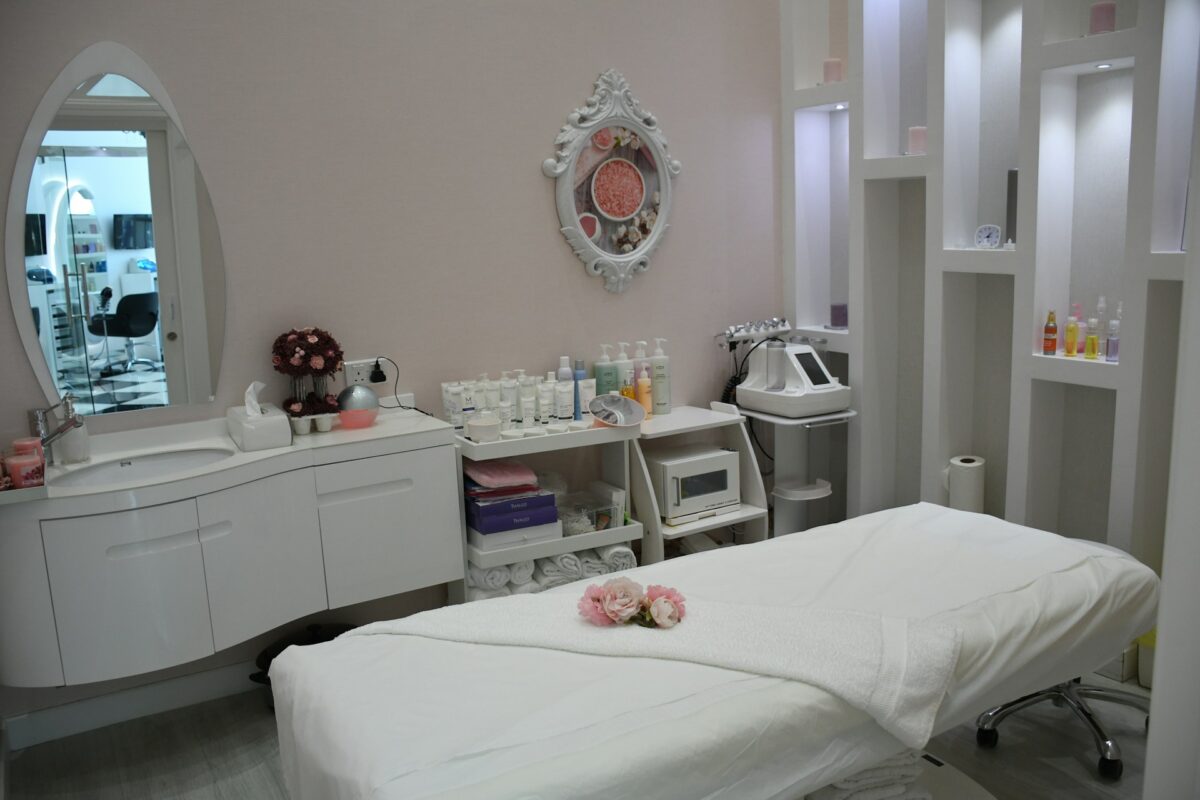
Combination therapy — pairing radiofrequency with biostimulators, microneedling, or injectables — is becoming an increasingly common consideration in aesthetic treatment, creating an opportunity for device distributors who position their portfolio around it. Practices aren't asking "what single treatment should I offer" anymore; they're asking "what protocol can I build," and that changes what they need from a device partner. It's the same shift we cover from the practice-owner side in our post on bundling RF treatments into higher-margin menus.
Why combination therapy is growing so fast
Patients researching aesthetic treatments increasingly arrive already aware of multi-modality approaches, driven by social media and provider content that showcases combined results. A single treatment promising modest improvement now competes directly against a bundled protocol promising a more complete outcome — and bundled approaches may be appealing to patients when they are available and clearly explained. For broader trend coverage, see Modern Aesthetics, a trade publication tracking combination-treatment adoption across the industry.
What this means for how distributors position their portfolio
The device itself is no longer the whole sales conversation. Accounts are evaluating how a given RF platform fits alongside their existing biostimulator, microneedling, or injectable offerings — compatibility and complementary positioning matter as much as standalone performance now. Distributors who can walk an account through a coherent combination-protocol strategy, rather than pitching a device in isolation, can bring additional value to the sales conversation. This ties directly into the broader non-invasive growth story covered in why non-invasive devices are driving growth in aesthetics.
Building combination-ready sales materials
Sales teams need more than a spec sheet. The strongest combination-therapy pitches include sample bundled protocols an account can adopt immediately, guidance on sequencing treatments within a combination plan, and materials the practice can hand directly to patients explaining what to expect from a multi-modality protocol. Distributors investing in this kind of enablement are differentiating on more than price.
The training implication
Combination protocols require staff comfortable operating across modalities, not just one device. Distributors and manufacturers who provide cross-modality training — not just device-specific onboarding — can help address adoption challenges for accounts and provide additional value as a long-term partner.
Where the opportunity goes next
As combination therapy becomes standard rather than novel, the next competitive edge will be data: helping accounts track and communicate combination-protocol outcomes credibly, and helping distributors understand which combinations are being used across their account base to refine what they recommend going forward.
The bottom line
Combination therapy isn't a niche trend to monitor — it's becoming an increasingly common way practices build treatment menus. Distributors who adapt their positioning, sales materials, and training now are building the account relationships that will define the category's next phase of growth.
FAQ
What is combination therapy in aesthetic medicine?
It's a treatment approach that pairs multiple modalities — such as radiofrequency with biostimulators, microneedling, or injectables — into one coordinated protocol rather than offering a single standalone treatment.
Why does combination therapy matter for device distributors?
Accounts are increasingly evaluating devices based on how well they complement existing treatments rather than as standalone purchases, making portfolio positioning and cross-modality training a bigger competitive factor than price alone.
How can distributors support accounts adopting combination protocols?
By providing sample bundled protocols, sequencing guidance, patient-facing educational materials, and cross-modality staff training rather than device-specific onboarding alone.