
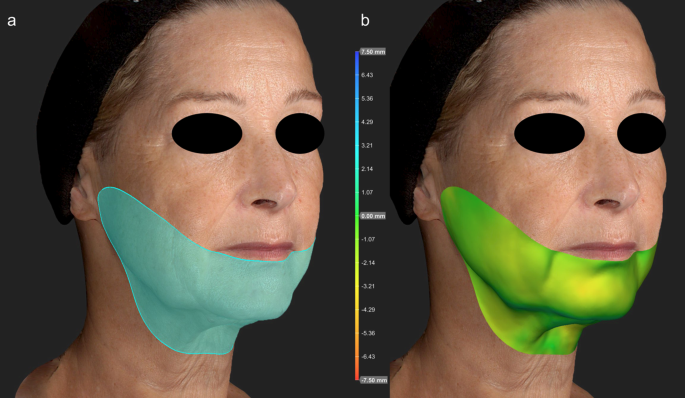
Radiofrequency-based aesthetic treatments have a growing body of published clinical literature, but not all RF technologies or studies provide the same type or level of evidence. For physicians evaluating an RF platform, an important consideration is whether the available evidence supports the specific device, treatment approach, and intended clinical use. As RF technology continues to be used in aesthetic medicine, understanding how to evaluate the available evidence can help physicians make informed decisions when considering an RF platform.
Published, peer-reviewed literature specific to Thermi technologies includes:
- ThermiTight/ThermiRF: Key DJ. "Comprehensive Thermoregulation for the Purpose of Skin Tightening Using a Novel Radiofrequency Treatment Device: A Preliminary Report." J Drugs Dermatol. 2014;13(2):185–189. (Retrospective, n=18.)
- ThermiTight/ThermiRF: Sanan A, et al. "Thermistor-controlled subdermal skin tightening for the aging face: Clinical outcomes and efficacy." Laryngoscope Investig Otolaryngol. 2019.
- ThermiVa: Gold M, Andriessen A, Bader A, et al. "Review and clinical experience exploring evidence, clinical efficacy, and safety regarding nonsurgical treatment of feminine rejuvenation." J Cosmet Dermatol. 2018;1–9. (This review is candid about its own limits — it notes that randomized, sham-controlled evidence for energy-based devices in this category is sparse overall, which is worth keeping in mind when writing patient-facing claims.)
- ThermiSmooth: No independently verifiable peer-reviewed study specific to ThermiSmooth was located in this research pass. If Thermi's clinical team has one on file, it should be added here; until then, avoid citing published outcome data for ThermiSmooth specifically.
For physicians who want to review the broader published literature directly, the PubMed database of radiofrequency skin tightening studies is a good starting point for independent review.
What physicians should look for in RF outcome data
Not every study is built the same. When evaluating published data on an RF device, the questions worth asking are: was the study peer-reviewed, what was the sample size, was outcome measurement objective (imaging, validated scales) or purely patient-reported satisfaction, and how long was the follow-up period? Short-term satisfaction data tells a different story than 6- or 12-month objective outcome data — both matter, but they answer different clinical questions.
Mechanism matters as much as outcome
Understanding how an RF treatment is intended to work can help physicians explain the technology and set appropriate patient expectations. RF devices use controlled delivery of radiofrequency energy to produce a thermal effect in targeted tissue. The way that energy is delivered, the treatment parameters, and the intended treatment area can vary between technologies and devices. For that reason, physicians should consider the specific technology and its intended use when discussing treatment with patients.
Where the evidence is strongest — and where it's still developing
Published studies have evaluated RF technologies for a variety of aesthetic applications, including treatments addressing skin laxity. However, the strength of the available evidence can vary based on the specific device, treatment area, study design, patient population, and outcome measures. Combination approaches, including RF used with other aesthetic treatments, represent an area of continued clinical interest. Physicians considering combination protocols should evaluate the evidence available for the specific combination, treatment approach, and patient population rather than assuming that evidence for one modality automatically applies to another.
Setting expectations with patients based on evidence, not marketing
Published outcomes should be considered alongside the limitations of the available evidence rather than relying solely on testimonials or the most favorable reported result. Clear, evidence-based conversations can help physicians and patients develop realistic expectations about treatment — a theme we build on further in our post on positioning RF honestly within the patient consultation.
The bottom line
RF technology has real clinical evidence behind it, but "RF works" isn't a specific enough statement to guide practice. Physicians serve their patients — and their practices — best by evaluating device-specific, protocol-specific data before adopting or recommending any RF platform.
FAQ
What does the clinical evidence show about radiofrequency skin tightening?
Published clinical studies have evaluated radiofrequency technologies for aesthetic applications, including treatment of skin laxity. However, the available evidence varies by device, treatment area, patient population, treatment protocol, study design, and outcome measures. Physicians should review evidence specific to the RF technology and treatment approach being considered rather than treating all RF devices as equivalent.
What should physicians look for when evaluating RF device studies?
Peer review status, sample size, whether outcomes were measured objectively (imaging, validated scales) versus by patient-reported satisfaction alone, and length of follow-up.
Is there evidence for combination RF protocols?
Combination approaches involving RF and other aesthetic treatments are an area of ongoing clinical interest. Because evidence can vary depending on the specific combination and treatment protocol, physicians should review data applicable to the particular approach being considered.